Imago . . . Egg . . . Imago variant 1
© 2024
Edition of unique artists book
Dimensions in inches (closed): 4.5 x 7 x 1.6
Materials
Book: paper, leather, oil on tempered masonite, suede, mica, laser toner, fusion foil, moth & butterfly specimens.
Box: book board, book cloth, paper, suede, mica, butterfly specimen.
Moth and butterfly wings are near the top of my list of natural wonders. Not only because the variety of patterning, color and varying degrees of symmetry are aesthetically pleasing, but because of their incredible functionality. Finding ways to preserve them after a critter's short life is one of the reason's I created this book, the first in an open ended series of variants.
In addition to the preservation of wing bits, this book presents a lay persons summary of the metamorphosis butterflies and moths undergo in an ongoing cycle.
Four rigid pages of wing specimens encapsulated in mica, and edge wrapped with Moriki paper, are inserted into pleats created by an accordion folded spine strip of hand made paper. Two additional rigid pages, constructed similarly, present the title, text and colophon. Sewn endsheets of Japanese decorative paper with silk inclusions complete the book block, which is attached to the covers using a split board technique.
The spine is leather, the covers are hand-painted with oil paint on tempered and gessoed masonite, edged with Moriki paper. Suede paste downs. Housed in a bespoke drop-spine box. Box tray is lined with suede, box is covered with book cloth and has a marbled paper paste down. Recessed box labels on the spine and front cover are laser etched mica over marbled paper. Front label includes a partial butterfly wing.
Full text:
The specimens encapsulated in these pages are the result of a magnificent series of steps, one that is specific to the superorder Holometobola, in which the immature stages of an insect are very different from the mature stages. The four stages of this metamorphoses are the egg stage, the caterpillar (larval) stage, the pupa stage and the adult stage.
The process begins with the formation of imaginal discs in the egg. Imaginal discs are highly organized groups of cells; one is formed for each of the adult body parts an adult butterfly needs. A disc for eyes, another for wings, another for legs etc.
The caterpillar's role, after hatching from an egg, is to eat, and eat, and eat some more. They grow, and grow and grow some more -- up to one hundred times their original size. Once enough size is attained the hormone ecdysone is released. This hormone instructs the larva to molt.
Molting is the process by which the outer skin is softened and discarded and replaced with a larger skin. After molting several times, the caterpillar stops eating and hangs upside down from a twig or leaf to enter the pupation stage. During pupation the caterpillar either spins a cocoon or molts into a chrysalis.
Inside this protected space, orchestrated by another round of enzymes, the caterpillar's body is completely reconstructed - organs, tissues and body are almost entirely digested. Only the imaginal discs survive intact. Using the protein-rich soup created by self-digestion, a rapid cell division of the discs triggers formation of wings, antennae, legs, eyes, genitals and all the other features of an adult butterfly or moth.
Now ready to emerge, the butterfly or moth breaks from the cocoon or chrysalis, unfurls its wings, allowing them to harden before setting off to fulfill its purpose in life: reproduction.
Imago . . . Egg . . . Imago variant 1
© 2024
Edition of unique artists book
Dimensions in inches (closed): 4.5 x 7 x 1.6
Materials
Book: paper, leather, oil on tempered masonite, suede, mica, laser toner, fusion foil, moth & butterfly specimens.
Box: book board, book cloth, paper, suede, mica, butterfly specimen.
Moth and butterfly wings are near the top of my list of natural wonders. Not only because the variety of patterning, color and varying degrees of symmetry are aesthetically pleasing, but because of their incredible functionality. Finding ways to preserve them after a critter's short life is one of the reason's I created this book, the first in an open ended series of variants.
In addition to the preservation of wing bits, this book presents a lay persons summary of the metamorphosis butterflies and moths undergo in an ongoing cycle.
Four rigid pages of wing specimens encapsulated in mica, and edge wrapped with Moriki paper, are inserted into pleats created by an accordion folded spine strip of hand made paper. Two additional rigid pages, constructed similarly, present the title, text and colophon. Sewn endsheets of Japanese decorative paper with silk inclusions complete the book block, which is attached to the covers using a split board technique.
The spine is leather, the covers are hand-painted with oil paint on tempered and gessoed masonite, edged with Moriki paper. Suede paste downs. Housed in a bespoke drop-spine box. Box tray is lined with suede, box is covered with book cloth and has a marbled paper paste down. Recessed box labels on the spine and front cover are laser etched mica over marbled paper. Front label includes a partial butterfly wing.
Full text:
The specimens encapsulated in these pages are the result of a magnificent series of steps, one that is specific to the superorder Holometobola, in which the immature stages of an insect are very different from the mature stages. The four stages of this metamorphoses are the egg stage, the caterpillar (larval) stage, the pupa stage and the adult stage.
The process begins with the formation of imaginal discs in the egg. Imaginal discs are highly organized groups of cells; one is formed for each of the adult body parts an adult butterfly needs. A disc for eyes, another for wings, another for legs etc.
The caterpillar's role, after hatching from an egg, is to eat, and eat, and eat some more. They grow, and grow and grow some more -- up to one hundred times their original size. Once enough size is attained the hormone ecdysone is released. This hormone instructs the larva to molt.
Molting is the process by which the outer skin is softened and discarded and replaced with a larger skin. After molting several times, the caterpillar stops eating and hangs upside down from a twig or leaf to enter the pupation stage. During pupation the caterpillar either spins a cocoon or molts into a chrysalis.
Inside this protected space, orchestrated by another round of enzymes, the caterpillar's body is completely reconstructed - organs, tissues and body are almost entirely digested. Only the imaginal discs survive intact. Using the protein-rich soup created by self-digestion, a rapid cell division of the discs triggers formation of wings, antennae, legs, eyes, genitals and all the other features of an adult butterfly or moth.
Now ready to emerge, the butterfly or moth breaks from the cocoon or chrysalis, unfurls its wings, allowing them to harden before setting off to fulfill its purpose in life: reproduction.
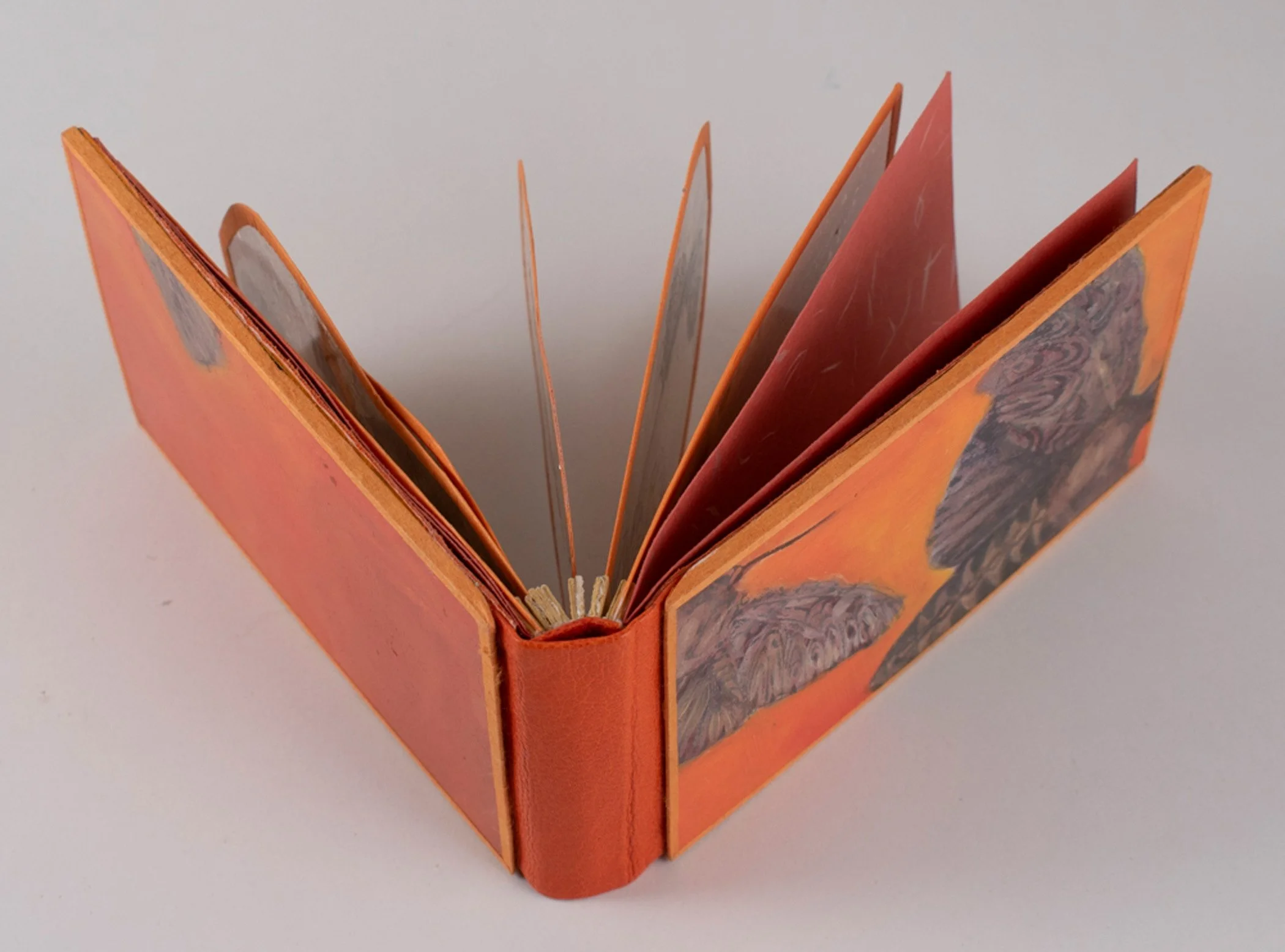 Image 1 of 6
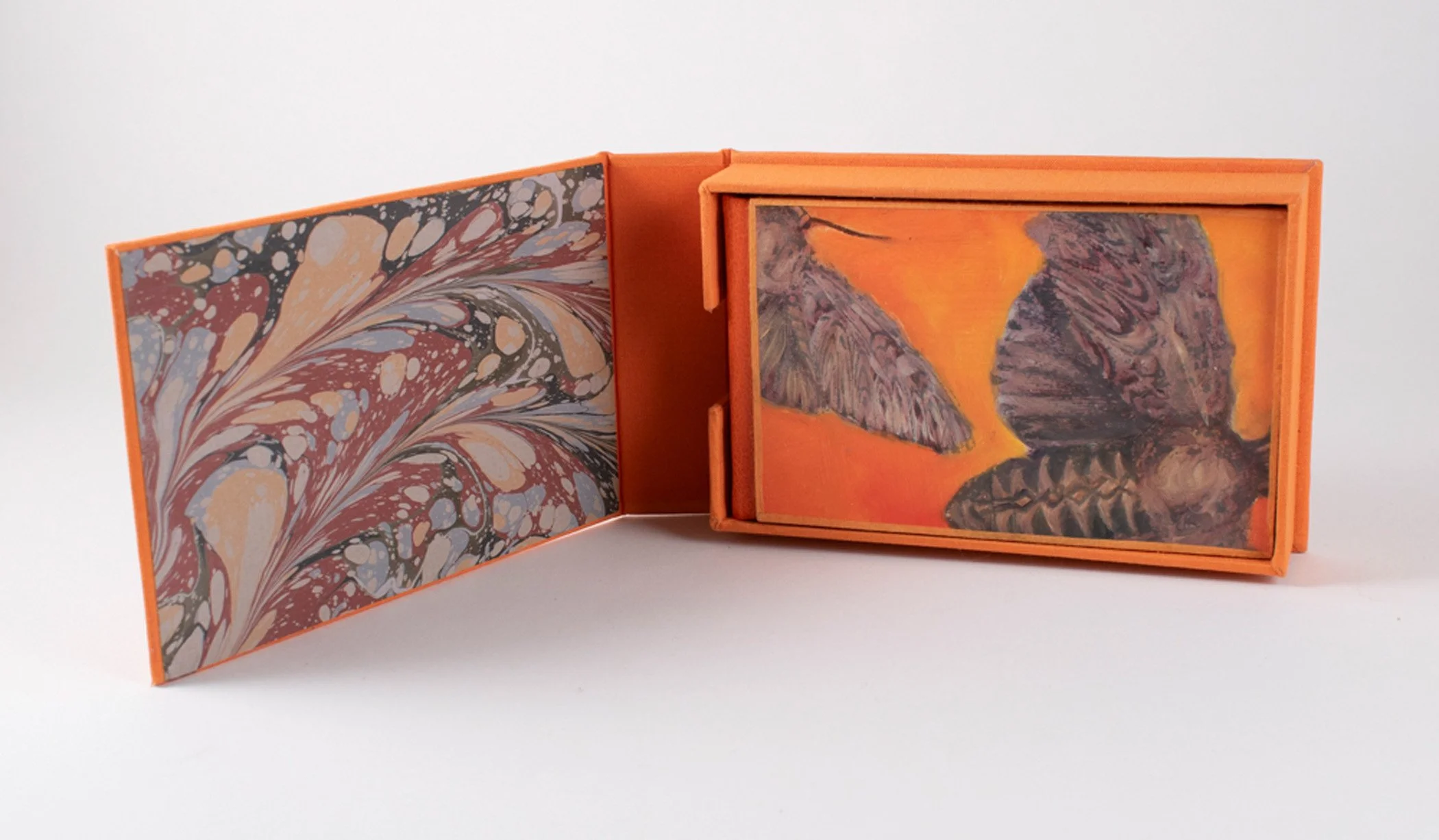 Image 2 of 6
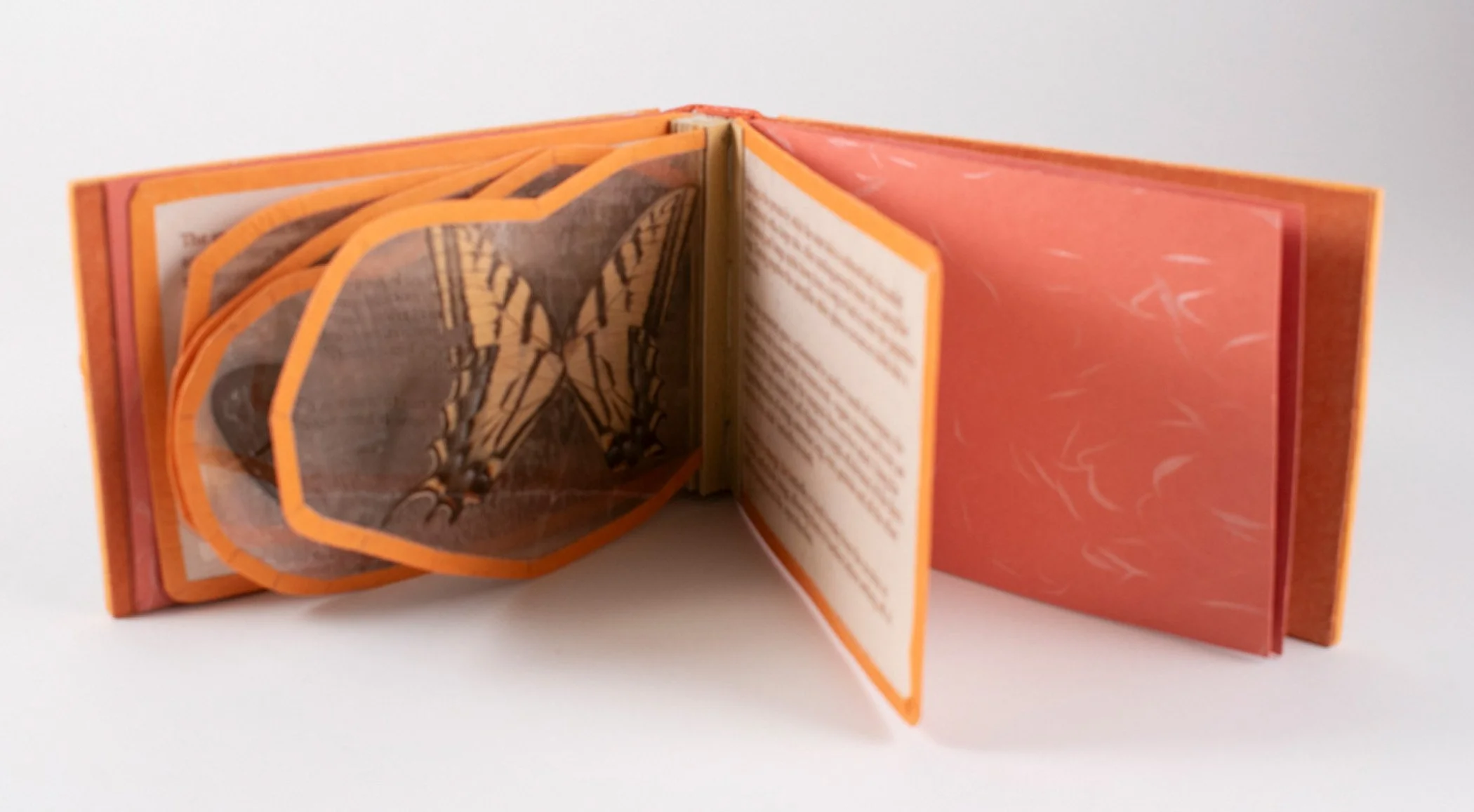 Image 3 of 6
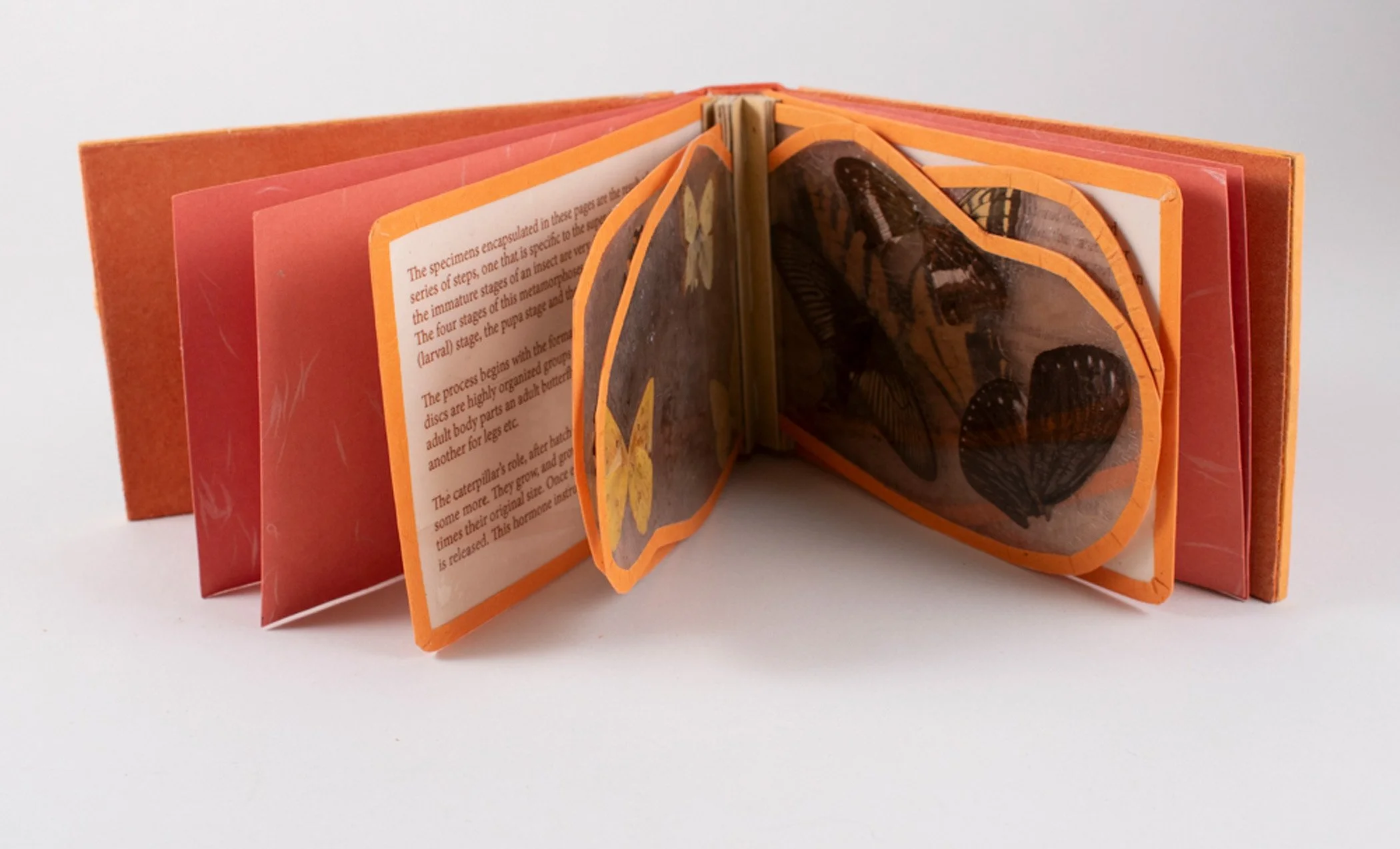 Image 4 of 6
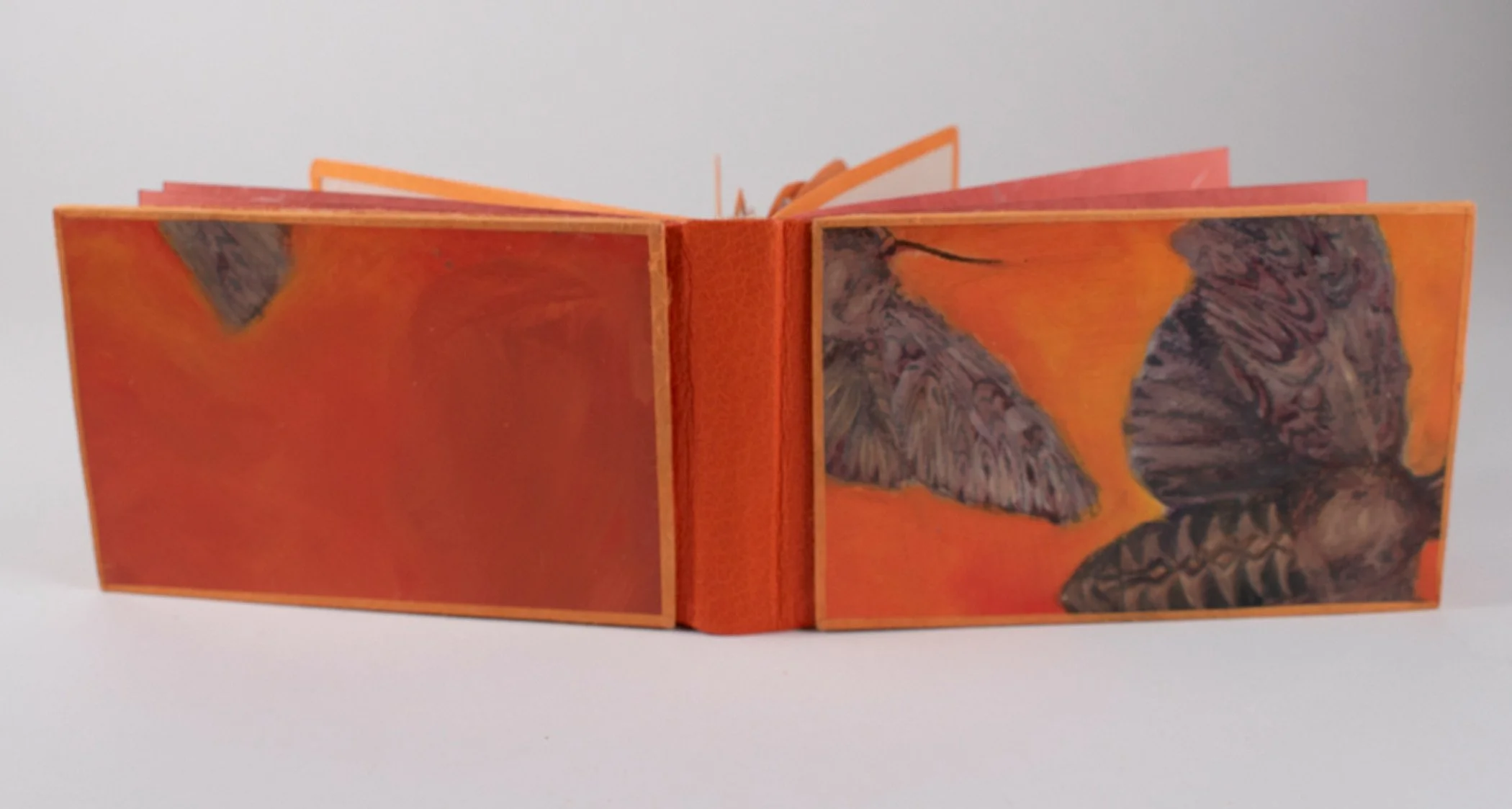 Image 5 of 6
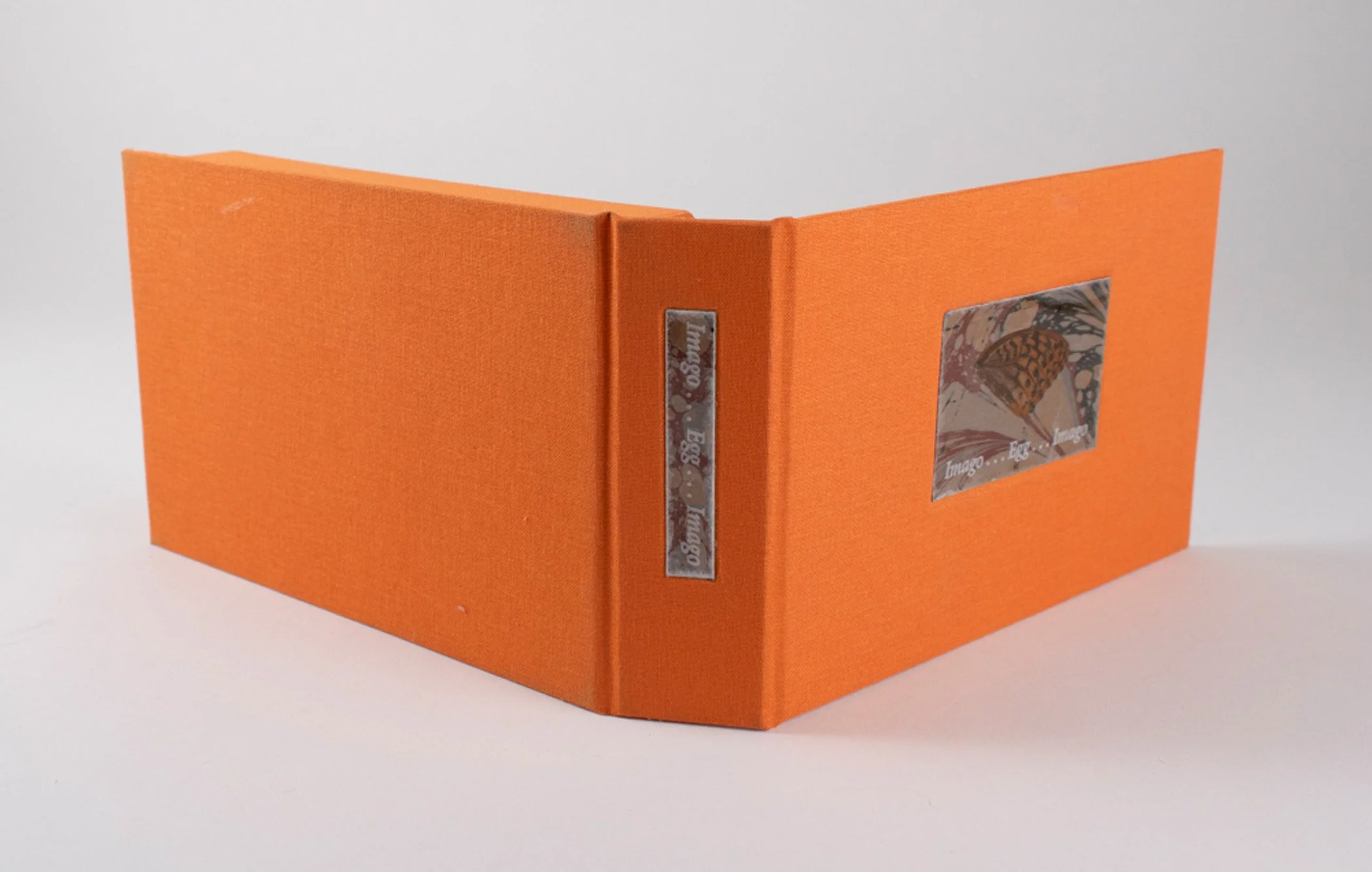 Image 6 of 6